
It isn't the economy, stupid!
Discussing the apparent disconnect between the UK’s robust economic indicators and the political outcomes expected in today's election.

Neil Woodford
W4.0
It isn't the economy, stupid!
Neil Woodford
W4.0
Discussing the apparent disconnect between the UK’s robust economic indicators and the political outcomes expected in today's election.
The phrase, “It’s the economy stupid”, was coined by one of Bill Clinton’s advisors during his successful run for president in 1992. Since then, it could be argued that until recently, most elections in the US, UK and Europe have hinged on the combatants' apparent comparative economic competence. Interestingly, it appears that this “rule” no longer applies in the UK. Barring some bizarre and unexpected outcome, it looks like the Labour Party will win today’s election (possibly with a lower share of the vote than Jeremy Corbin achieved), and the Tories will poll very badly even though the UK economy is, by most objective standards, in robust health.
To illustrate the point, here are some key UK economy stats:
1. The UK economy is the fastest growing G7 economy currently (last week, Q1 growth was upgraded to 0.7%)
2. Growth this year looks likely to reach at least 1.25% and accelerate in 2025 to 2.5%
3. Inflation is back at the 2% target.
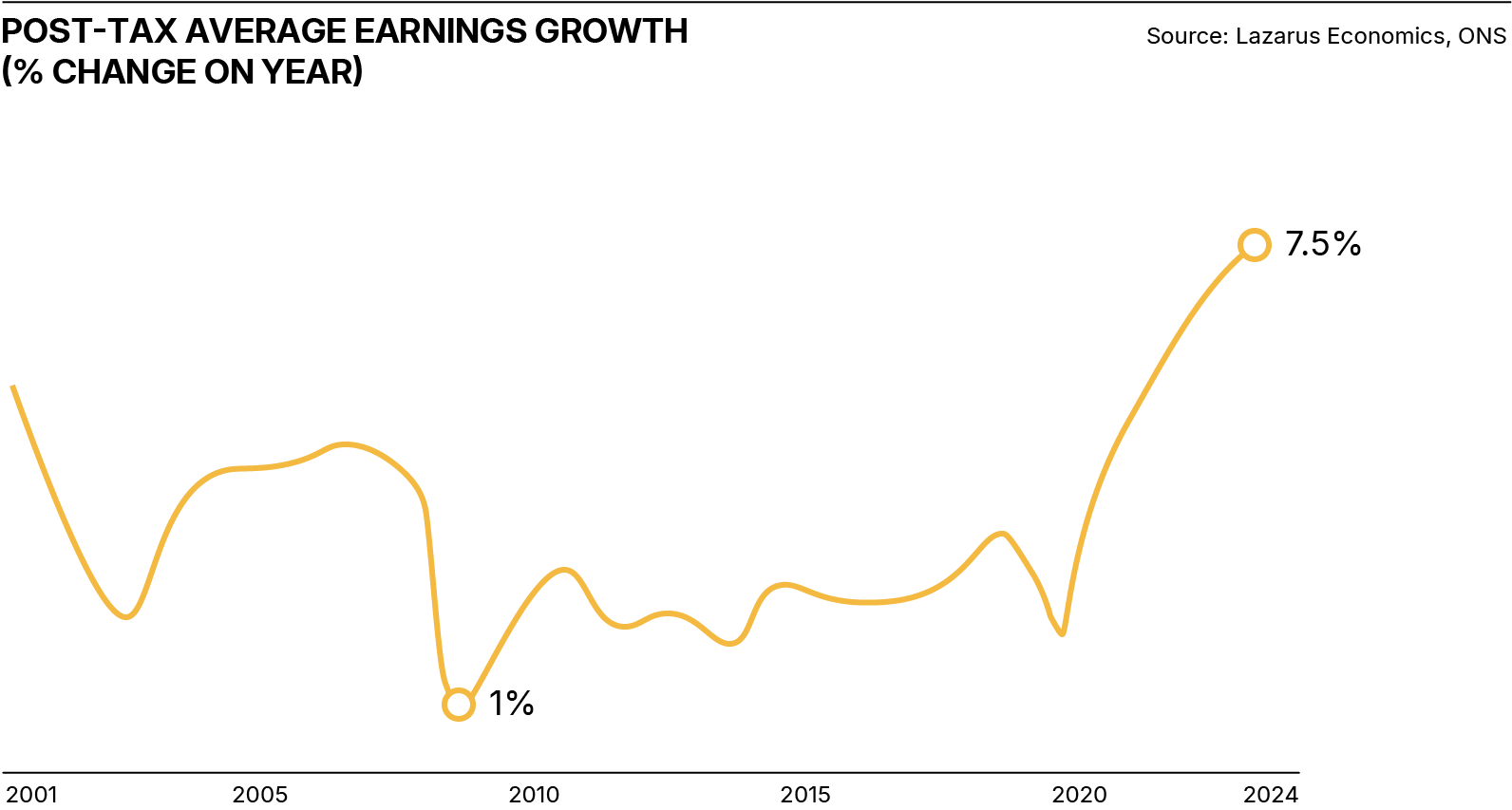
4. Post-tax average earnings growth in the three months to April was 7.5%. The fastest rate of growth since the turn of the century.
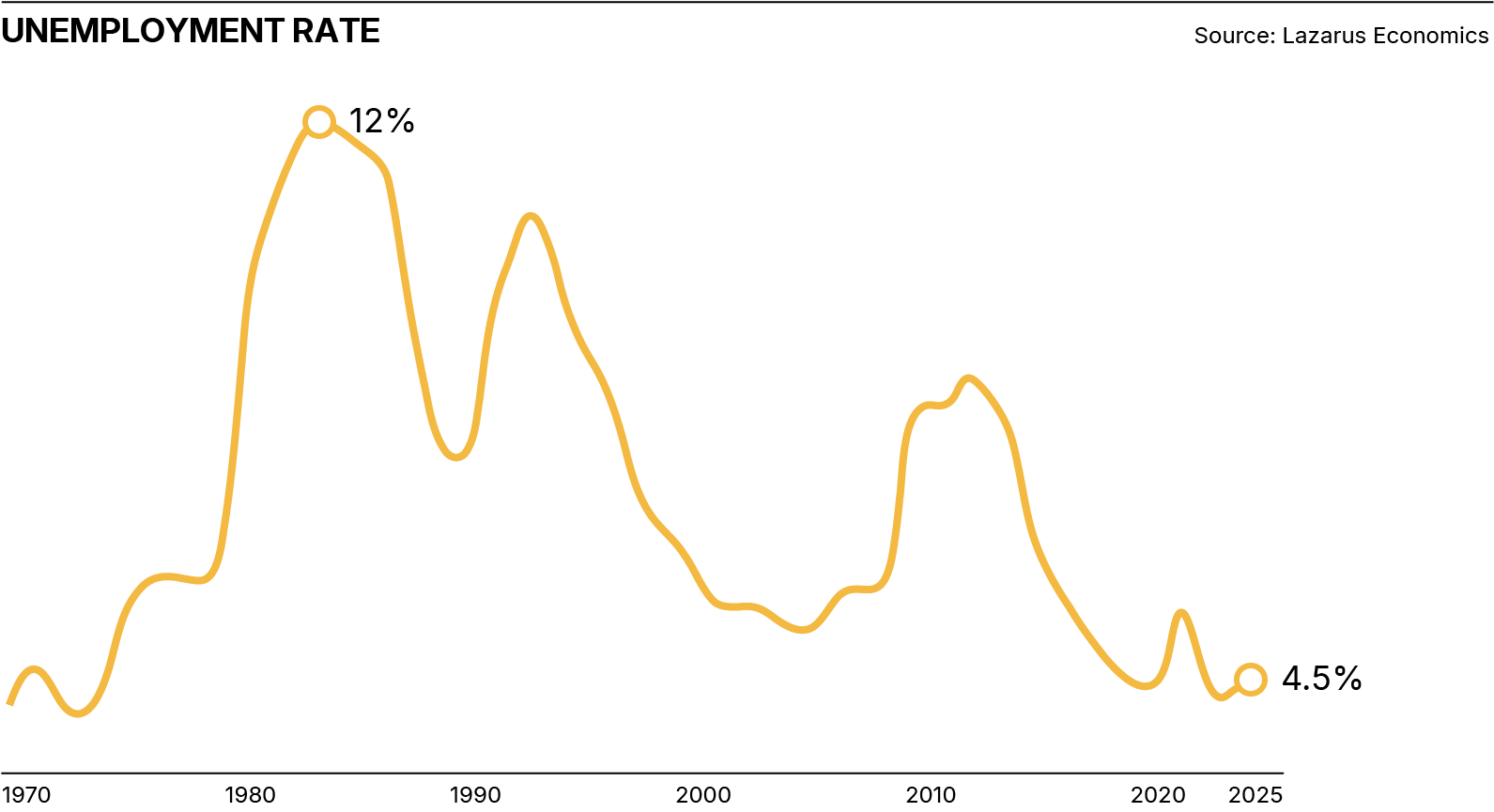
5. Unemployment is close to a 50-year low.
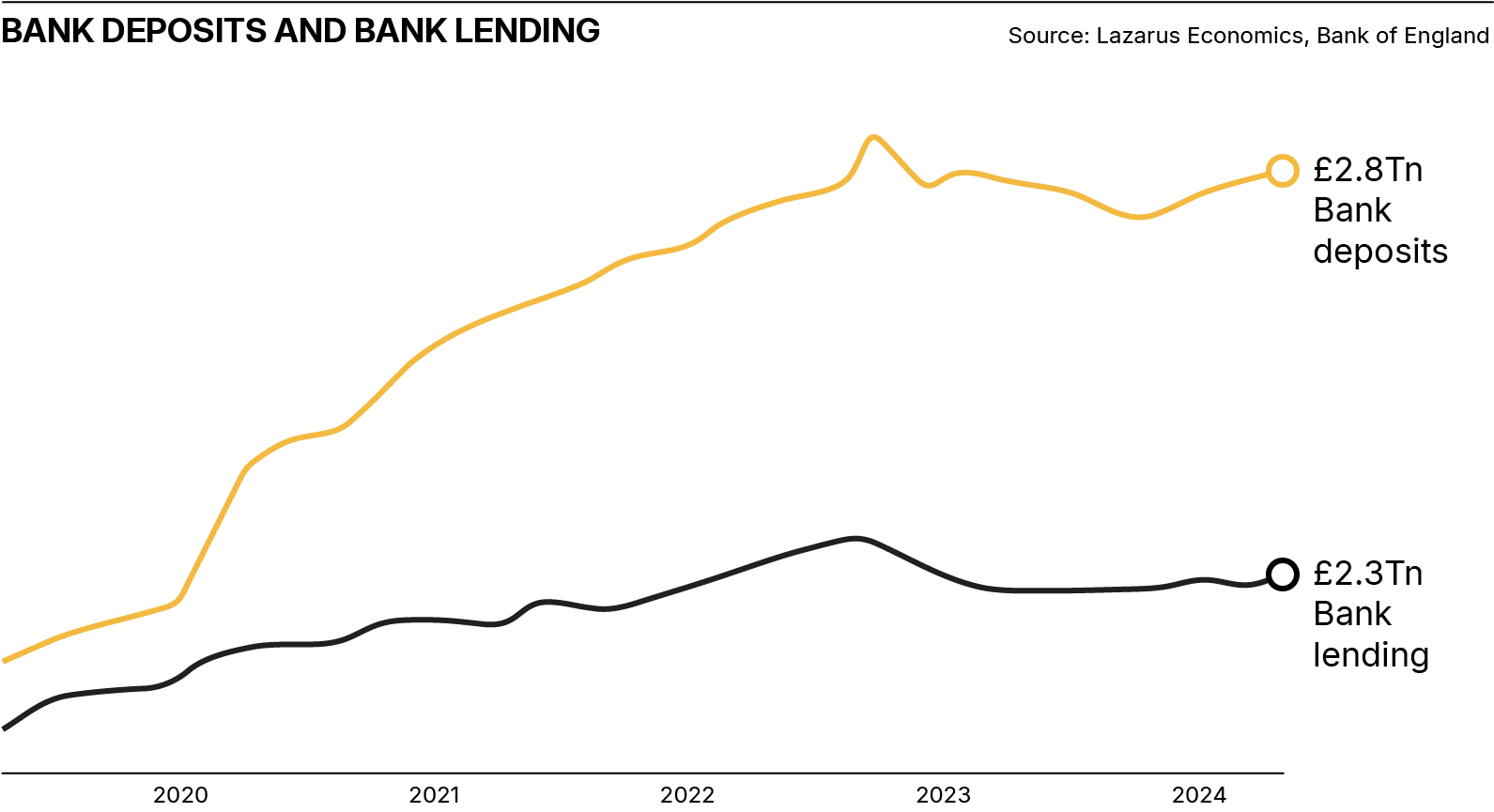
6. Although public sector debt is high, the deficit is declining rapidly and is forecast to reach 1% of GDP in the medium term. The private sector, on the other hand, is swimming in cash and now has significantly more deposits than loans. As a result of a high savings ratio, this trend looks likely to continue.
7. Interest rates will clearly start to decline in the near future. Albeit that this is a mixed blessing for those households with substantial deposits, it is clearly in the medium term a benefit to those households with mortgages.
I am not saying that everything is rosy in the UK by any means, but the economic reality in this country is much brighter than consensus would have us believe. This is not a narrative you will have heard from politicians or the media, but it is a fact. So, quite unusually for this general election, the health of the UK economy would seem not to have been a key determinant of its outcome.
Maybe this reflects the realisation that politicians can now exercise only limited discretion over the direction of the economy given the power invested in the unelected OBR and MPC, who respectively control fiscal and monetary policy here in the UK. This will be a subject I hope to return to in a future blog.
Related reading

How not to run an economy
Why this government's fiscal incontinence has left it unable to fund defence, and what a real growth revolution would look like.
Read more
The demographic landslide: why birth rates are collapsing everywhere
The UN keeps cutting its population forecasts – and the latest fertility data say it still isn't pessimistic enough. Neil Woodford on the collapse almost no one is pricing in, and the device that may be driving it.
Read more
A dose of reality
As policymakers warn of doom, the data tells a different story. Neil takes apart the MPC, the IMF and the Chancellor in light of an April inflation print that undercuts the consensus case for caution.
Read moreStart investing with transparency
Access our full research, strategy insights, and real-time portfolio visibility.