
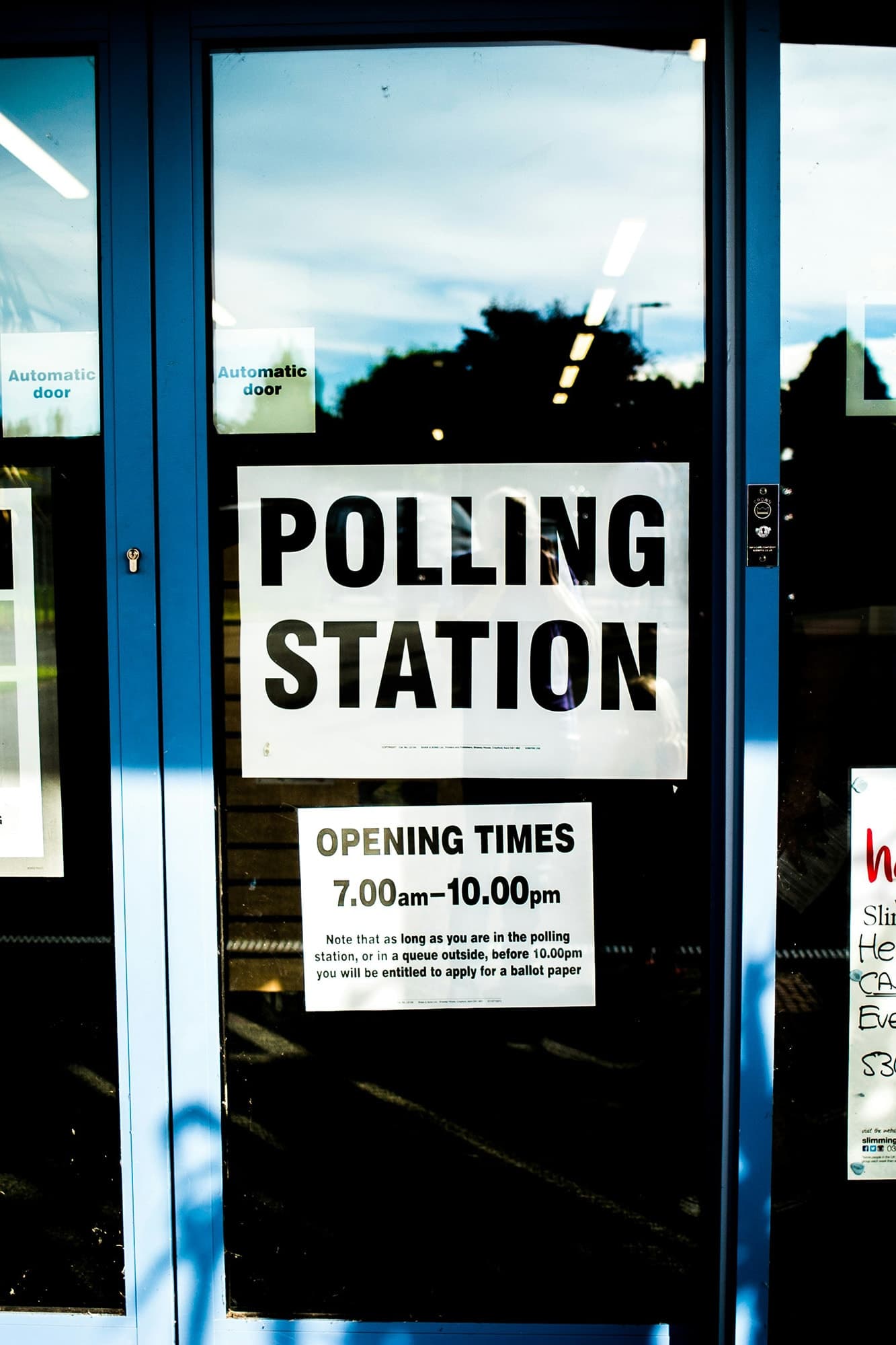
General Election
With the General Election date set, many predict a Labour landslide. But history tells a different story. Could we see a surprise in the making?

Neil Woodford
W4.0
General Election
Neil Woodford
W4.0
With the General Election date set, many predict a Labour landslide. But history tells a different story. Could we see a surprise in the making?
Since Rishi Sunak announced the date of the General Election (or Genny Lex if you prefer to keep up with the latest terminology), the commentary on who the eventual winner will be has intensified. Given the Labour Party's significant lead in the opinion polls and the poor performance of the Tory Party in recent elections, many see the outcome as a foregone conclusion.
Indeed, at a recent conference I attended, various speakers commented on the policies a Labour Government would implement as if this were a certainty.
Politics is not my specialist subject, but I observe that, just as in economics, crowded consensus views often turn out to be wrong.
Here are just a few facts to remember before the big day in early July.
- Tony Blair's victory in 1997 saw a massive swing to Labour. If Sir Keir Starmer is to get a working majority, he will have to see a bigger swing than Tony Blair achieved.
- Tony Blair started that 1997 campaign with approximately 70 more seats than Sir Keir Starmer.
- The UK's first past the post political system means that vote share is less closely correlated with seats won than you might think. Indeed, a 40% plus share of the vote delivered over 400 seats to the Labour Party in the 1997 election but just over 250 in 1959.
- Vote share is important, but then so is where a party wins those votes.
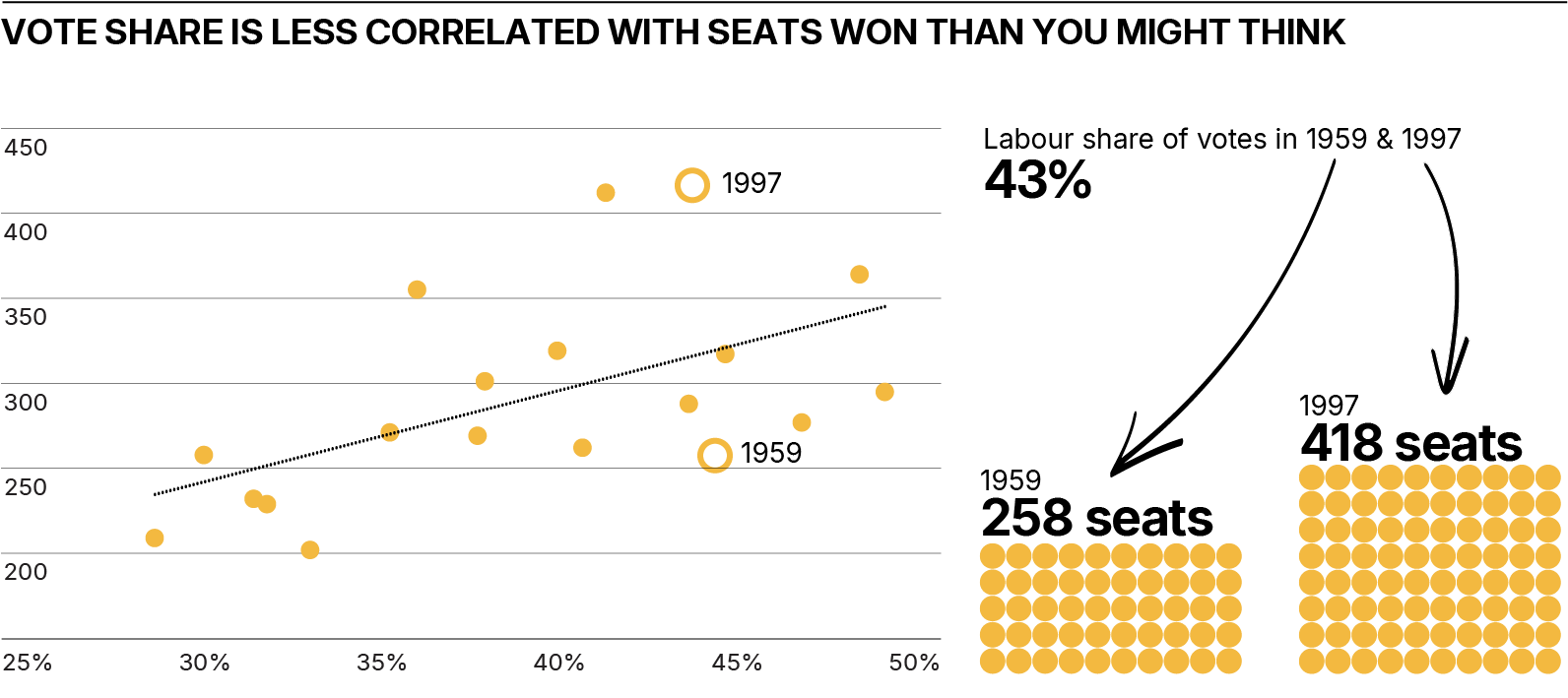
My conclusion is that the result is not a foregone conclusion. Clearly, Labour can win and is most likely to do so given its lead in the opinion polls, but this outcome requires a huge and unprecedented shift in the political preferences of UK voters across the country. Something to bear in mind if you are minded to place a bet.
Related reading

How not to run an economy
Why this government's fiscal incontinence has left it unable to fund defence, and what a real growth revolution would look like.
Read more
The demographic landslide: why birth rates are collapsing everywhere
The UN keeps cutting its population forecasts – and the latest fertility data say it still isn't pessimistic enough. Neil Woodford on the collapse almost no one is pricing in, and the device that may be driving it.
Read more
A dose of reality
As policymakers warn of doom, the data tells a different story. Neil takes apart the MPC, the IMF and the Chancellor in light of an April inflation print that undercuts the consensus case for caution.
Read moreStart investing with transparency
Access our full research, strategy insights, and real-time portfolio visibility.